
Looking to Solve a Crime in the Real-World?
PUT YOURSELF IN THE ACTION ON A COVERT MISSION!
CUSTOM JAVASCRIPT / HTML

Darin Fredrickson, CPP
Mary Fredrickson, CPT
As seen on:

ABOUT US
We have over 30 years of combined investigative and surveillance experience drawn from law enforcement, corporate, and private investigations.
We have been licensed private investigators for over a decade and continue to be active in covert surveillance operations.
We have trained over 500 investigators from over 50 organizations across the U.S. in the Master Surveillant® Method.
The covert surveillance strategies, techniques and tactics I reveal to my students have in the past been elusive, secret, and available only to elite or special government operatives that would prefer I kept the secrets to myself.
Do you need a surveillance specialist for personal or professional reasons?
Or do you need to learn covert surveillance skills for your current or future job?
Or are you an adventurous thrill seeker and are looking for a Covert Ops Experience unlike anything you have done before?
Or maybe you are looking for street survival skills to keep you and your family safe?
Whatever your reason, you can be confident that we are the real deal and have not only been there and done that...but are still doing it.
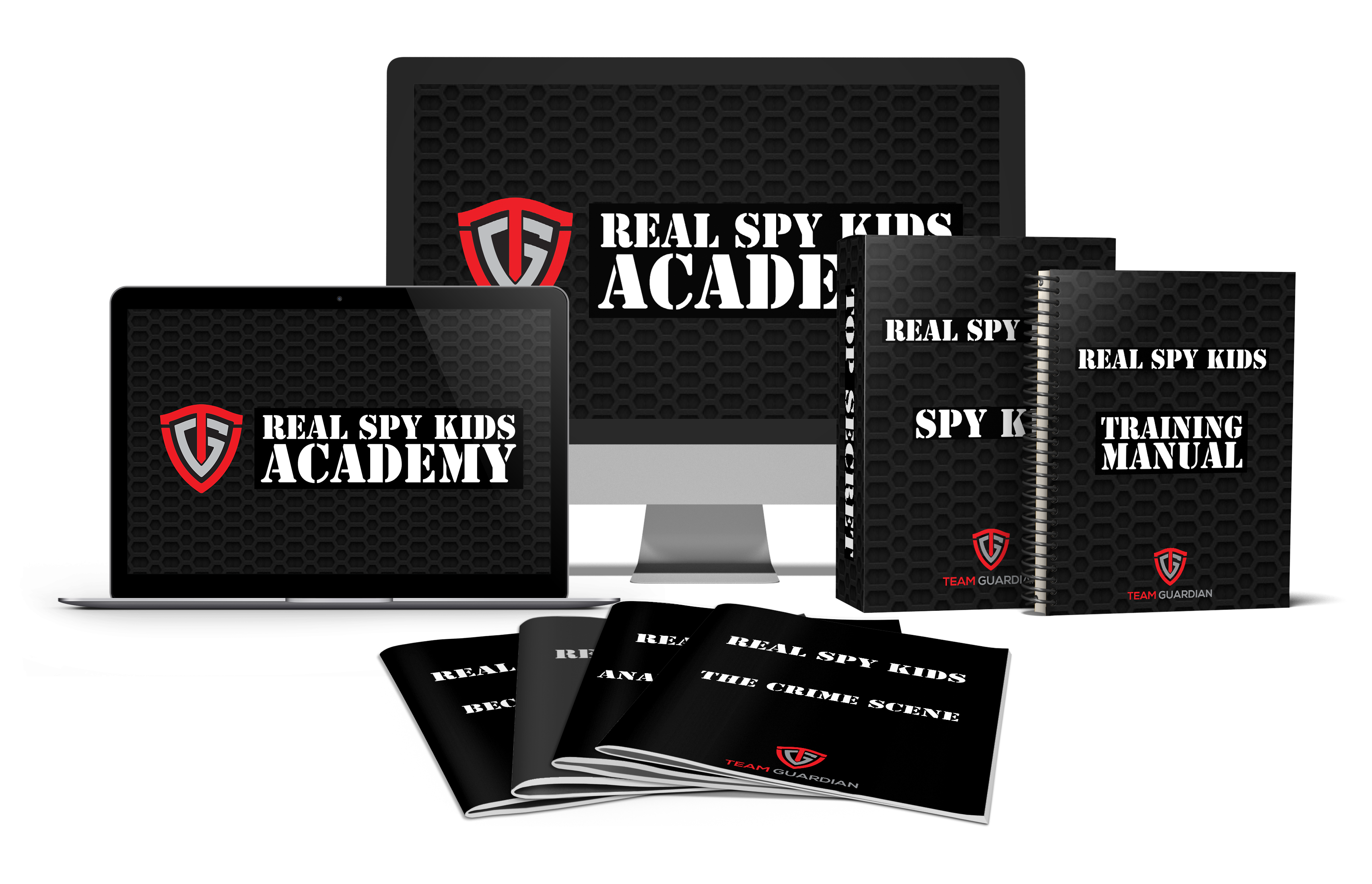
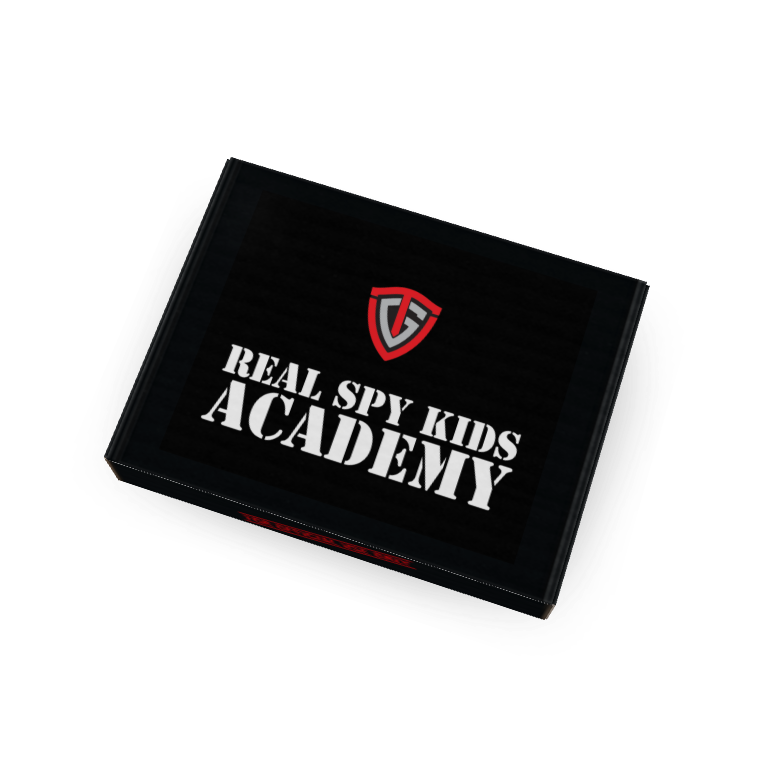
Real Spy Kids Academy
...How to Unlock the Protector Inside Your Kids so they can Protect Themselves from Harm!
Does your kid have what it takes to be a Real Spy Kid?
Decades of personal protection experience (self-control, protecting personal space, reducing vulnerability & more) are cleverly disguised as a fun, online program for kids aged 9-13.
- Online and hands-on learning experience (Value $497)
- Real-world, fictional storytelling, and role playing (Value $997)
- Your child becomes the hero of their own story (Value PRICELESS!)
-
New spy theme and content every month (Value $97)
-
Monthly print newsletter with spy activities & games (Value $97)
-
Monthly fitness and skills training program for kids (Value $97)
-
Private online community for parents and kids (Value $97)
Total Value = $1882Only $49.97 per month - Cancel Anytime!
Enroll your child in the nation's elite spy school that will not only teach your child how to protect themselves, but is FUN!
Learn more by clicking the link below!
Situational Awareness
This training is 1-3 hours in a group setting
This training is designed for the individual. Taking ownership and responsibility for one's own personal protection is critical to avoiding and preventing crime or a violent incident. The sad truth is most people don't or won't accept they can be a victim...which plays right into the hands of the serial predator or criminal.
This program is taught in a group setting and provides strategies, techniques and tactics to avoid becoming a victim of crime. This program is ideal for corporations, churches, schools, organizations and associations.
Contact us for details: darin@teamguardian.us

"An Escape Room on Steroids!"
Master Your Surroundings
Covert Ops X Experience
Become a member of an elite Covert Ops Team
Have you ever wondered what it would feel like to be a covert agent? To feel the adrenaline pulse through your veins while following a criminal suspect involved in nefarious activities while remaining undetected? Have you wanted to develop the powerful mindset of a spy and be able to see a world that is that is invisible to most people? Imagine doing all this while learning life-saving skills of personal protection. This is the ultimate team experience that you can share with your spouse, family, or friends. To learn more about this UNIQUE experience unavailable anywhere else, click the link below.


Scottys Stunt & Tactical Driving Course
Strategic Performance Partner
Scotty and his driving team are unmatched in the movie and tactical driving industry. This tactical driving course is highly effective for teens, inexperienced drivers, and professional drivers of every walk of life. This course will break thru your fears kinetically, visually and audibly giving you the HIGHEST QUALITY EXPERIENCE for your training and workout! We are fortunate and excited to be partnered with Scotty as we prepare students to develop plans to respond in a crisis or emergency!
- Advanced maneuvers 90, 180, reverse 180
- High speed cones forward and backward, multiple cars.
- Evasive survival techniques
-
Breaking down fear and turn weakness into strength
-
Drifting into formations

Street Operator Course
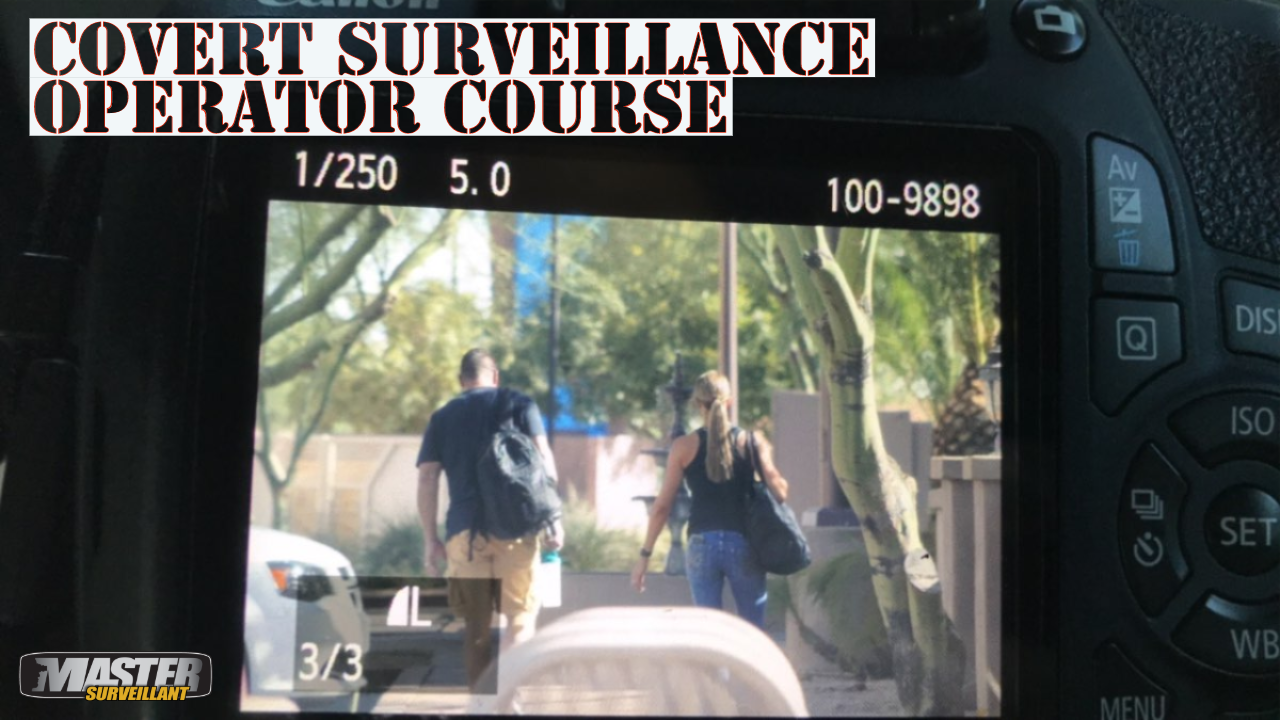
Reality-Based Covert Physical Surveillance (LIVE)
This course is for public and private investigators that desire to learn the art of covert physical surveillance. This course provides the framework of physical surveillance that investigators can apply to any investigation whether criminal or civil. The course is 2-3 days in length depending on the theme and students gain skills primarily through reality-based field exercises. Apply to find out about upcoming classes.

Surveillance Essentials Course
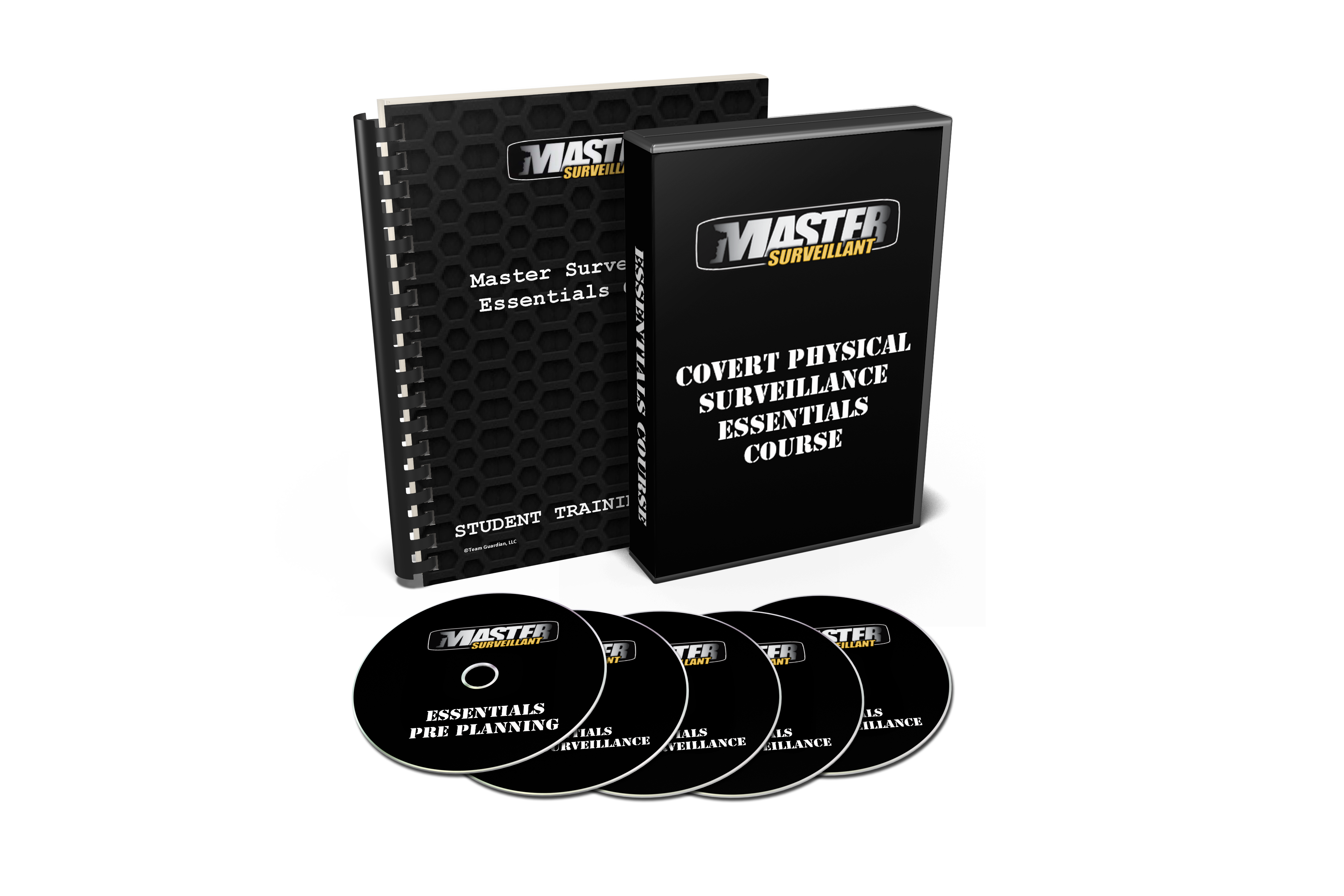
Covert Physical Surveillance (Online)
This course is for public and private investigators that desire to learn the art of covert physical surveillance. This course provides the framework of physical surveillance that investigators can apply to any investigation whether criminal or civil. The course is online and contains over 12 hours of video training. The training can be taken on a phone, tablet, or computer.
Master Surveillant TV
Surveillance Techniques - 10 Tips from an Expert!
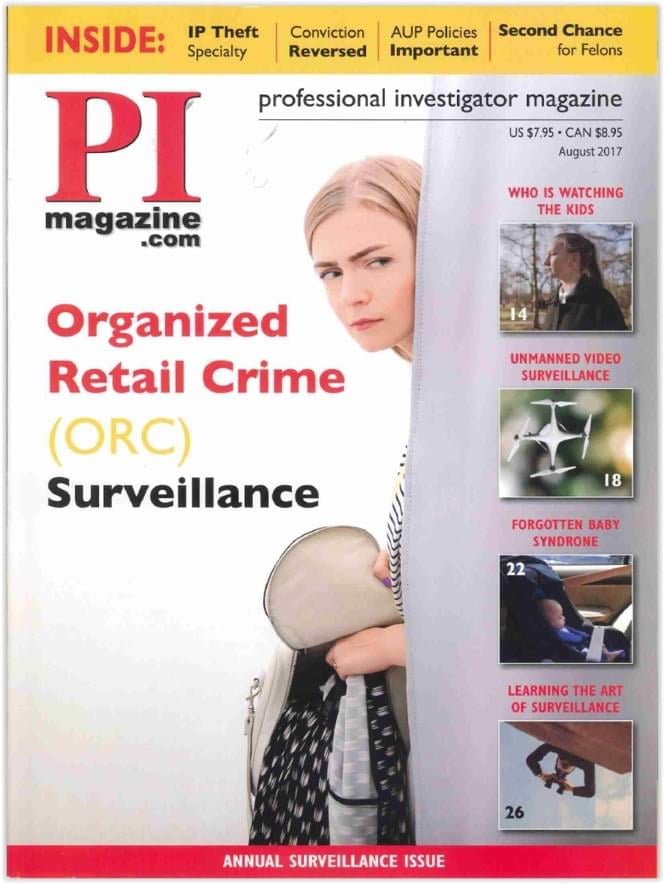
Organized Retail Crime (ORC) Training
The night a cold-blooded killer turned the surveillance on me!
INVESTIGATIONS
We provide the following investigative services:
- Surveillance: Physical and technical strategies to get the evidence
- Organized Retail Crime (ORC): a proactive model that works!
- Corporate: espionage, security issues, employee misconduct & fraud
-
Locating People: witnesses, relatives, runaways, suspects
-
Infidelity Investigations: cost effective means to know the truth
-
Litigation Support: law firms
-
Background Checks: Pre-employment, promotion, business, personal
-
Locating and Recovering Stolen Assets: retail theft, burglary, larceny, autos
-
Fleet Management: company vehicle activity, cargo-theft, moon-lighting
-
Undercover Operations: Employee misconduct, drugs, theft, espionage
Please contact us for a free consultation! 602-908-7447
Email: darin@teamguardian.us
PUBLISHING AND RESOURCES
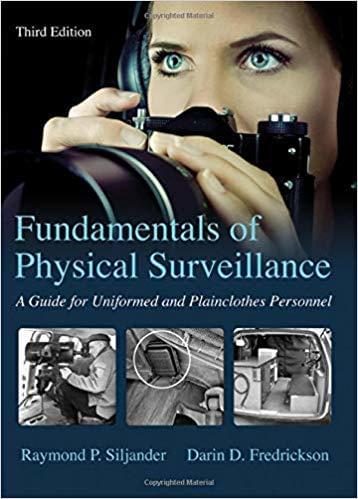
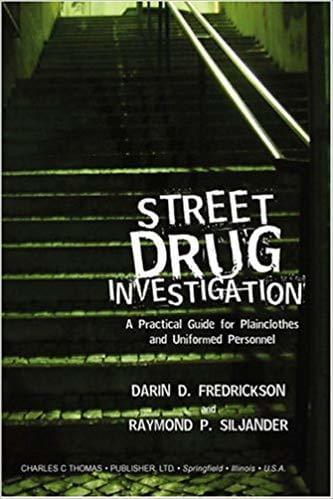
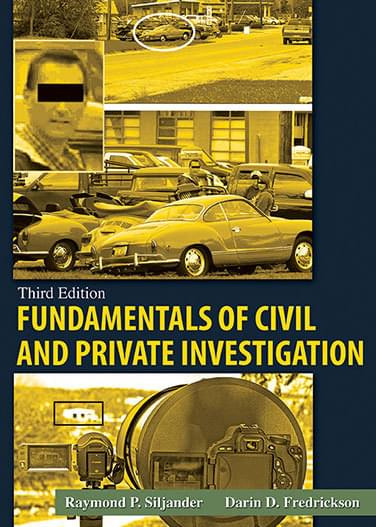
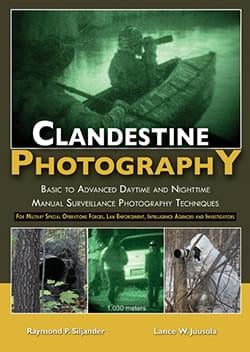
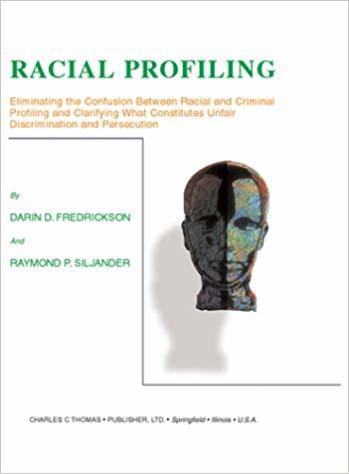
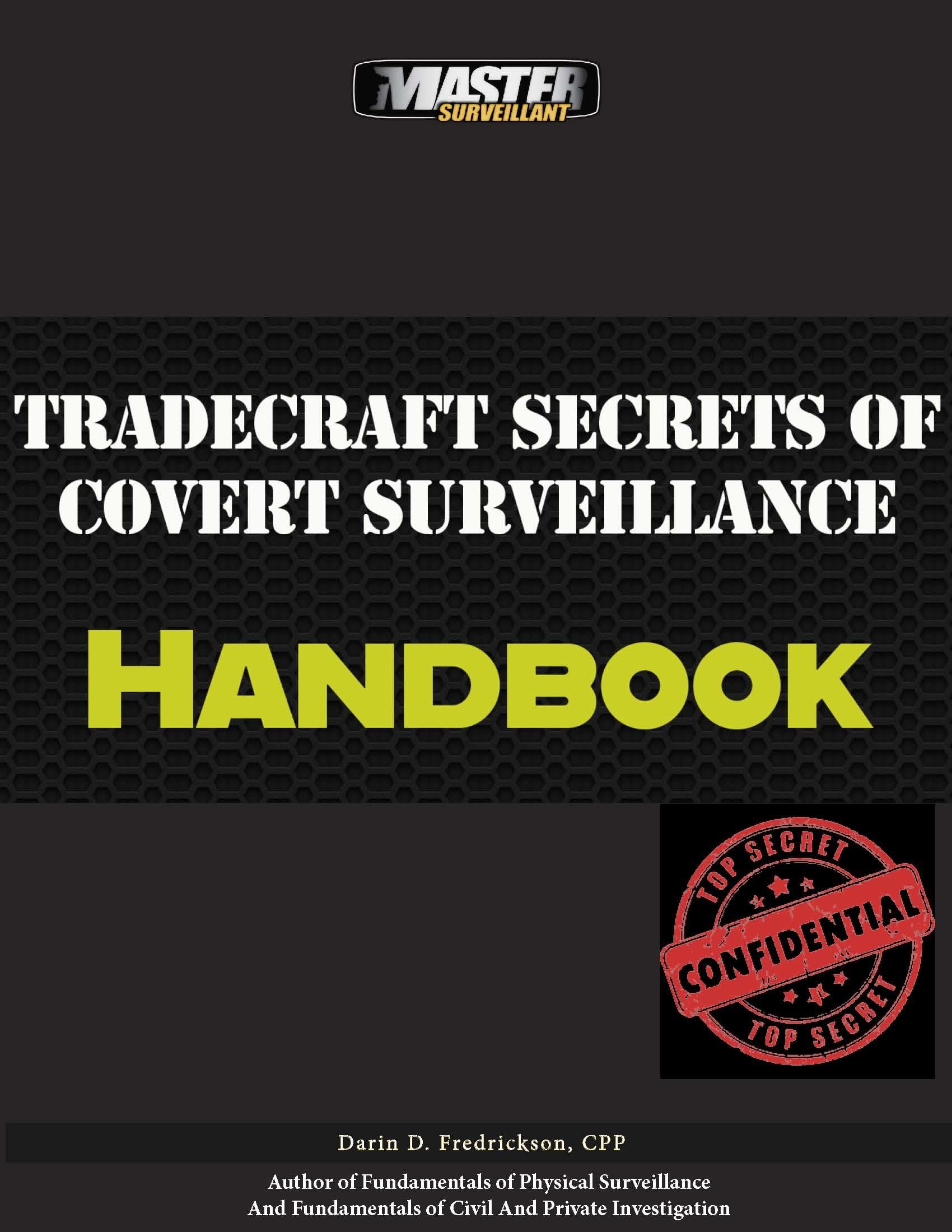
Special Offer - While Supplies Last!
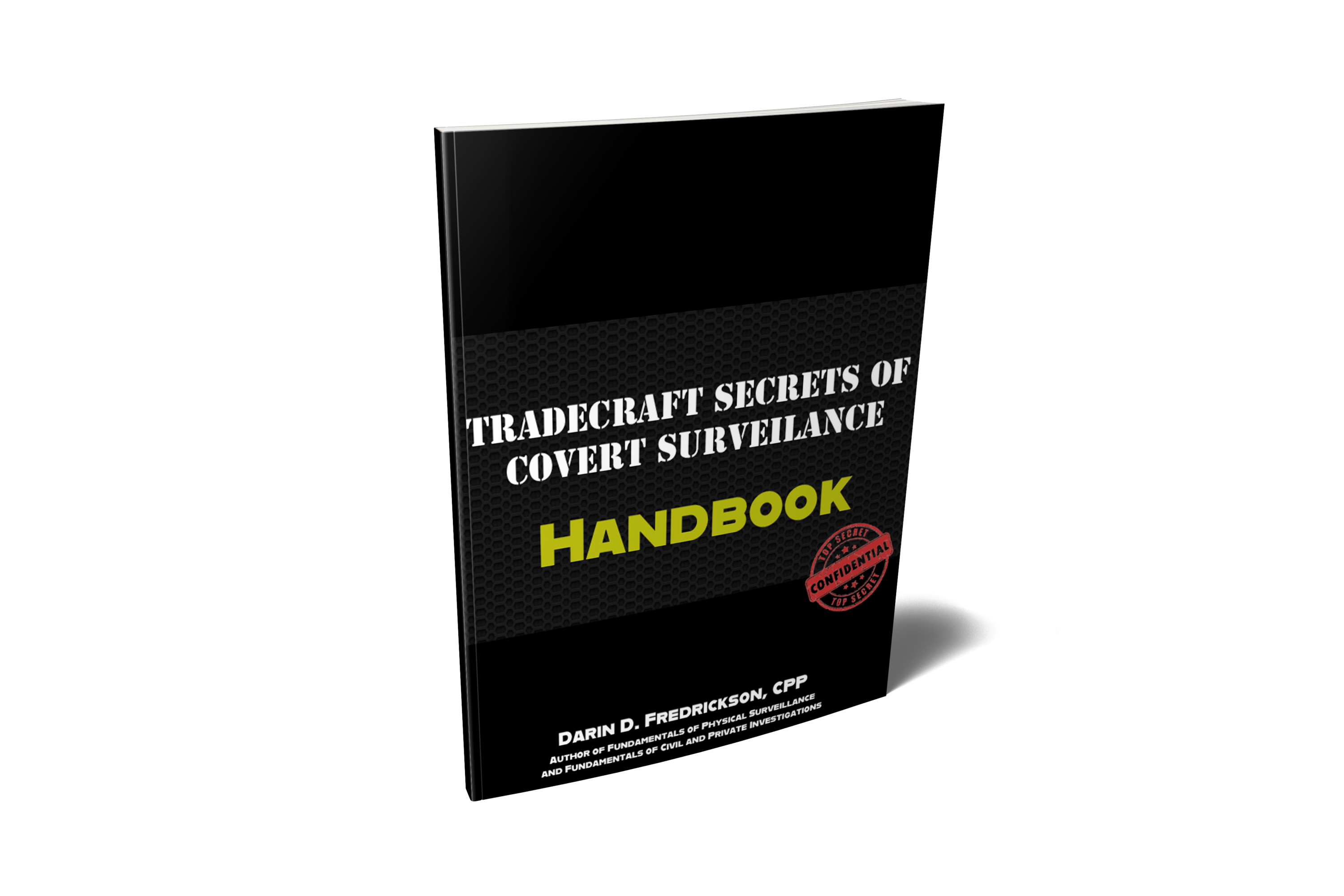
Get your signed copy of Tradecraft Secrets of Covert Surveillance
This handbook is a culmination of over two decades of surveillance experience in public and private investigations. Quickly learn strategies to take your surveillance game to a new level!
If you haven't signed up for covert surveillance and personal protection tips...
I Want To Give It To You For Free. Click The Button Below.
Copyright © 2022 - Team Guardian, LLC | All Rights Reserved